
The recent closure of a hardwood manufacturing facility in Centralia is a reminder that when Washington loses a mill, the impact reaches far beyond a single worksite.
According to reporting by The Chronicle, the closure will eliminate 70 full-time positions across nearly 40 job types—from sawmill and kiln operators to electricians, maintenance staff, and administrative roles. These are skilled, family-wage jobs that support households and communities across the region.
But the effects don’t stop there.
Working forests require working mills. Without in-state capacity to process timber, it becomes harder to sustain both the economic and environmental benefits that working forests provide.
The loss of a mill is not just a single event—it’s part of a broader trend that affects the long-term health of Washington’s forest sector.
Washington’s forest products sector is interconnected. Mills are the critical link between working forests and the products people use every day. When a mill closes, it means fewer markets for logs, more pressure on remaining facilities, and less capacity to keep forests actively managed.
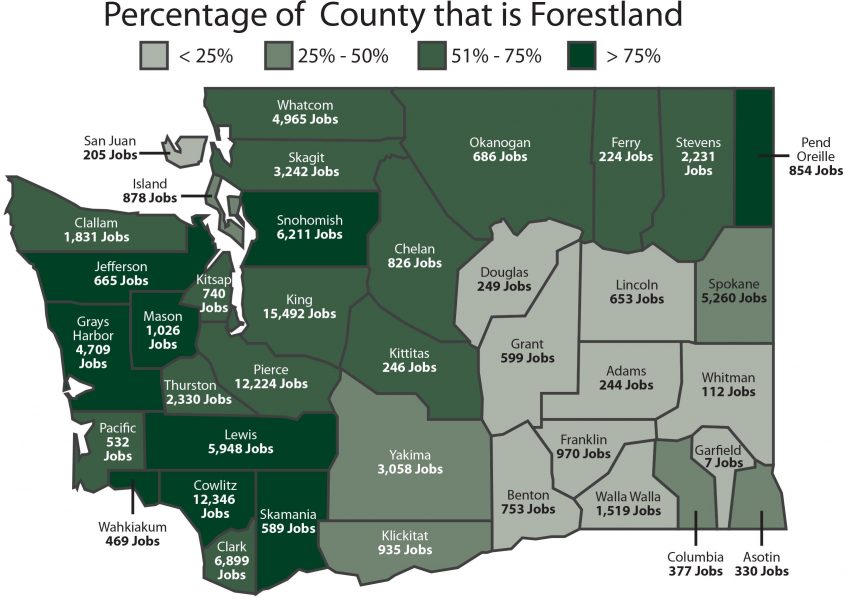
That matters in a state where working forests support more than 102,000 jobs and generate about $6 billion in wages annually. From loggers and truck drivers to millworkers and mechanics, thousands of Washington families depend on a stable forest economy.
It also matters for rural communities. Mills support local businesses, provide family-wage employment, and contribute to the tax base that funds schools and public services. When a facility closes, those impacts ripple outward.
Washington has built a forest products sector grounded in science-based sustainable forestry, skilled workers, and long-term investment. Our forests are among the most productive in the world, and our industry continues to provide renewable materials under the toughest environmental regulations in the country.
But that system depends on balance.
Working forests require working mills. Without in-state capacity to process timber, it becomes harder to sustain both the economic and environmental benefits that working forests provide.
The loss of a mill is not just a single event—it’s part of a broader trend that affects the long-term health of Washington’s forest sector.
Maintaining a strong, competitive manufacturing base is essential to keep forests working, supporting rural communities, and ensuring Washington continues to lead in sustainable forestry.
Sources:
Read the full articles from The Chronicle:
https://www.chronline.com/stories/40-job-types-involved-in-northwest-hardwoods-closure-in-centralia,397915
https://www.chronline.com/stories/northwest-hardwoods-to-lay-off-70-workers-in-centralia,397575